
Skin Care Routine Everyone Should Follow
Skin care has never been so advanced as it is today. Gone are days when soap and water are enough to keep the skin healthy and beautiful. Nowadays, there are thousands of skincare products and tools in the market to choose from. It can really be overwhelming especially for those who has never done a skin care routine before.
Building your own routine doesn’t necessarily require tons of products. Skincare should never stress you out! A good skin care routine is about having the right skincare products applied in the right order. So here, we’re going to break down the six basic steps of skin care routine that everyone should follow.
Step 1: Cleanser
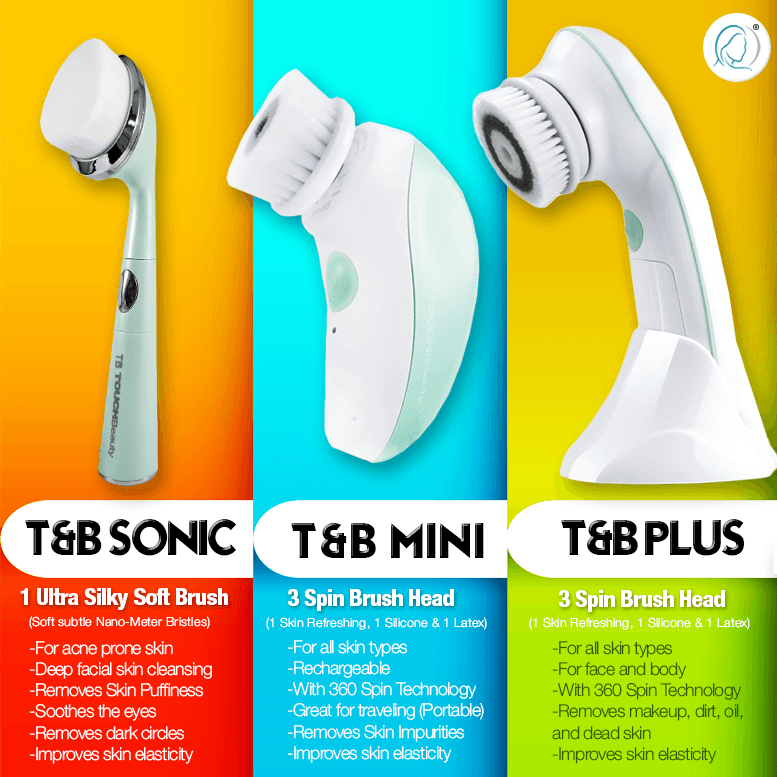
Cleansing is the foundation of any skin care routine. You can opt-out one or two of the succeeding steps but never the cleansing part. Wash your face with the right cleanser for your skin type. If you’re doing a night-time skin care routine, make sure to remove any make-up with an oil cleanser before washing your face.
One of the biggest mistakes people make is using the wrong formula, as certain foams or scrubs can strip the barrier away from the epidermis leaving your skin dry, inflamed and prone to breakouts.
We recommend using a facial brush which is great for deep cleansing especially for exfoliating dead skin and removing dirt.
Step 2: Toner
To get more specific, you should use toner after you double cleanse and exfoliate your skin. A thorough cleanse helps to ‘clear away’ grime, makeup, dead skin cells so that the skin-beneficial ingredients in the toner can get where they need to.
Toners are basically used to prepare the skin for the subsequent skincare products. It helps for better absorption of the active ingredients and balances the pH level of the skin. Use a cotton pad and gently dab on your face when applying.
Step 3: Microneedling
Most of people is not aware that there is a new therapy that can reconstruct damaged skin naturally. Microneedling is a procedure that induces collagen production which helps in skin repair and rejuvenation, tightening large pores, improving the appearance of acne scars, stretchmarks as well as removing acne marks, dark spots and wrinkles. It can also help absorb skincare nutrients deep beneath of your skin 10 folds, which is very essential to your skin health! Add this step in your regular skin care and see a major difference with your skin.
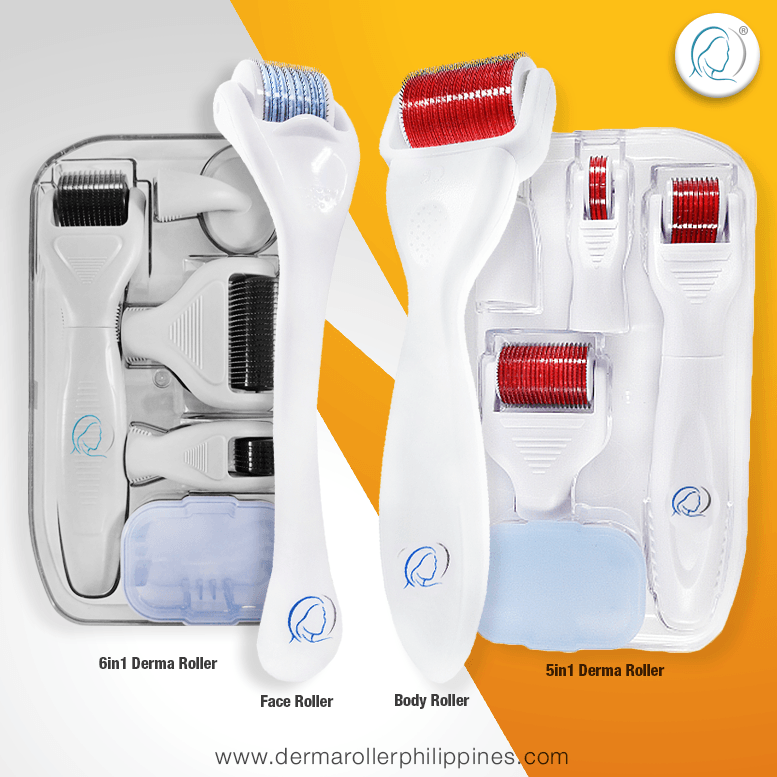
Frequency of use depends on the needle size and skin condition being treated. Below are the recommended usage:
- Serum penetration and tightening of large pores – use 0.25mm needle size every other day
- Wrinkles and dark spots – use 0.50mm needle size once a week
- Shallow acne marks – use 0.75mm needle size once every three weeks
- Moderate to Deep acne marks – use 1.00mm – 1.50mm needles size atleast 7-15 days
More and more people are now using this product as their secret skin care regimen to make their skin healthy and younger looking!
Step 4: Serum
Serums are highly concentrated blend of nutrients that hydrates, revitalizes and enhances the skin. Serum is a skincare product you can apply to your skin after cleansing but before moisturizing with the intent of delivering powerful ingredients directly into the skin. Serum is particularly suited to this task because it is made up of smaller molecules that can penetrate deeply into the skin and deliver a very high concentration of active ingredients. This makes them a great tool for targeting specific skincare concerns, like wrinkles and major signs of aging!

It is essentially significant to apply a serum after doing a microneedling procedure. We recommend using a good Vitamin C serum with hyaluronic acid as it brightens the skin, accelerate wound healing and speeds up collagen production.
Step 5: Treatments (optional)
Eye creams, acne spot gel and device, anti-aging cream, home RF devices, and whitening creams are few examples of treatments which directly give remedy to a specific skin condition such as eyebags, pimples, wrinkles and dark spots. Apply this only on the affected area.
Step 6: Moisturizer
The term moisturizer is a marketing term with little or no scientific meaning. Consumers see moisturizers as actively increasing the water content of the skin. Dermatologists see moisturizers as bland oleaginous substances that are applied to the skin by rubbing. This does not necessarily imply that moisture or water is being added to the skin. Moisturizers are a key component of basic skin care especially when there is alteration of the epidermal barrier and reduced water content in the epidermis.They are used to restore the barrier function of the epidermis, to cover tiny fissures in the skin, provide a soothing protective film, and increase the water-content of the epidermis.
This last step of the skin care routine is equally important. Moisturizers hydrates the skin and seals in the moisture and all the products’ ingredients. Even for oily skin types, moisturizers shouldn’t be skipped . If you are doing a daytime routine, make sure the moisturizer comes with a sunscreen for UV protection.

Know what works for you…
Every individual is unique and no two people have the same skin. In this regard, familiarizing yourself the proper skin care routine is not enough. It is also very important to know your skin type, lifestyle and what ingredients works specifically for you. Find a product you can trust that works well with your skin. and don’t settle for anything less.
Skincare is an investment not an experiment! Our skin deserves to be treated nicely!
Happy Rolling!
